Iron deficiency and Indian meals: practical nutrition support
Food combinations, meal planning and the questions to ask after a low haemoglobin result.

In this guide
Confirm the cause before changing your diet
Low haemoglobin is a finding, not a complete diagnosis. Heavy menstrual bleeding, pregnancy, low intake, absorption problems and other conditions can contribute. Your clinician may recommend further tests and treatment. Food can support recovery, but a meal plan cannot always replace iron medicine. Unexplained breathlessness, fainting, chest discomfort or marked weakness needs prompt medical assessment rather than a home remedy.
Try this in your routine
Bring your blood reports, menstrual history and current medicines to the consultation. Ask what is causing the deficiency and when your blood tests should be repeated.
Use familiar iron-containing foods
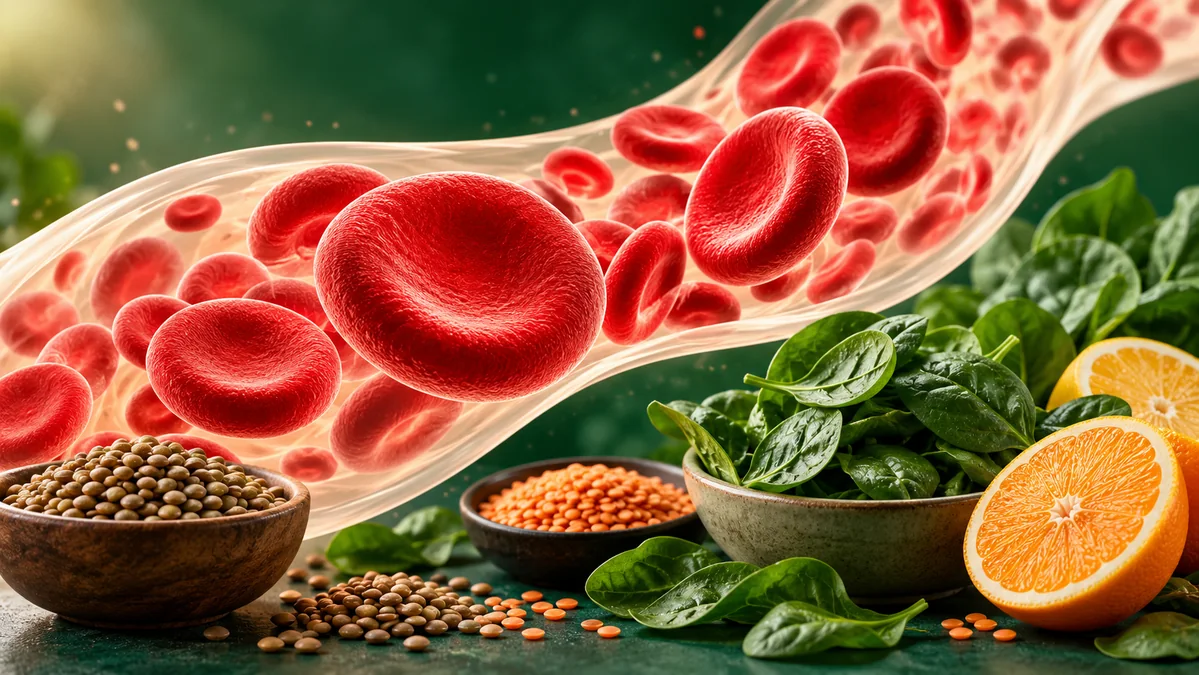
Dals, beans, chickpeas, soy, some seeds and leafy vegetables can contribute iron in a vegetarian diet. Animal foods may also be options for those who eat them. Variety matters: relying on spinach alone is unlikely to solve every deficiency. Build meals that include enough total food and protein instead of adding one symbolic iron-rich ingredient to an otherwise restrictive diet.
Try this in your routine
Try chana with roti and lemon; rajma with rice and a vegetable side; lentil soup with tomatoes; or a bean salad with capsicum. Choose combinations you enjoy and can cook regularly.
Pair thoughtfully and check supplement timing
Vitamin-C-containing foods such as guava, citrus, lemon and capsicum can complement plant iron sources. Tea and coffee taken with meals can reduce iron absorption, so discuss spacing them if deficiency is a concern. Iron supplements can cause digestive side effects; ask your prescriber about the correct dose, timing and what to do if you cannot tolerate them. Do not increase the dose yourself.
Try this in your routine
Add lemon after cooking, serve seasonal fruit with a snack and keep tea away from an iron-focused meal where practical. Your pharmacist can also explain interactions with other medicines.
Make recovery practical
If appetite is low, smaller regular meals may be easier than large portions. Batch-cooked dal, beans and washed fruit can reduce daily effort. A dietitian can adapt the plan to pregnancy, digestive symptoms, budget and vegetarian preferences. Improved energy may take time; use planned follow-up rather than assuming you are recovered because you feel better for a few days.
Try this in your routine
Keep a short record of symptoms, supplement tolerance and meals. Discuss persistent fatigue or side effects at review instead of stopping treatment without advice.
Your next seven days: a manageable starting point
Do not attempt every suggestion at once. Choose one useful idea from this article and practise it through a normal week. Notice how it affects hunger, comfort and daily effort. A change that works on a busy Wednesday is often more useful than a complicated menu that only works on Sunday. Your review should help simplify the plan as well as improve it.
A four-step starting point
- Day 1: note your usual meals and identify the most difficult part of your day.
- Days 2–3: choose one meal to improve using the ideas above and prepare what you need.
- Days 4–5: try the change on a workday; keep a simple backup for a delayed meal.
- Days 6–7: include a family meal or outing and review what felt realistic.
Prepare for your nutrition appointment
Bring recent reports, your current medicines and supplements, and a description of a normal weekday and weekend. Include wake-up time, commuting, meals, drinks, sleep and the moments when planning becomes difficult. You do not need a perfect food diary. The aim is to build a useful picture of your life so the plan can fit your kitchen, budget and preferences.
Choose two realistic changes for the first week. Decide who will shop or cook, what you will do on a busy day and how you will check whether the change helped. Keep the focus on comfort, energy, nourishment and consistency. If a recommendation makes you constantly hungry or worried about food, bring that concern to a review rather than quietly making the plan stricter.
Review, adapt and keep what works
A useful follow-up looks at your experience as well as any relevant measurements. Discuss barriers honestly: late work, family meals, cravings, travel and food preferences are all part of the plan. Adjust one or two things at a time and retain meals that work well. Nutrition advice should help you make decisions during ordinary life, not leave you dependent on an increasingly long list of restrictions.
This guide offers general education. Your personal needs may differ, particularly during pregnancy, while breastfeeding, with chronic disease or when taking medicines. Discuss a therapeutic diet with the appropriate clinician and dietitian.
Questions people often ask
Do I need a special diet product?
Usually the starting point is ordinary food and a workable routine. Products may have a role in particular clinical situations, but marketing is not a personalised assessment. Discuss whether the product is useful, affordable and compatible with your health needs before making it part of every day.
Can I keep rice, roti and family meals?
Many plans can include familiar staples. The portions, pairings and overall eating pattern matter. Ask for adjustments that fit your household rather than assuming a therapeutic or weight-management plan must remove all traditional food.
When should I seek individual advice?
Seek a personalised assessment when you have a diagnosed condition, persistent symptoms, take medicines affecting nutrition, are pregnant or breastfeeding, or find that dieting is becoming distressing. Bring your questions and relevant reports so the consultation can address your situation.
Further reading
These resources support the general nutrition context; individual care still requires assessment.
Make this work for your life
Talk through your goals, food preferences and routine with Mansi Soni. Your first conversation is a chance to understand the next step, without a promise of a particular result.
Book a consultation →